

6 Things to Consider When Browsing the Best Hiking Tents
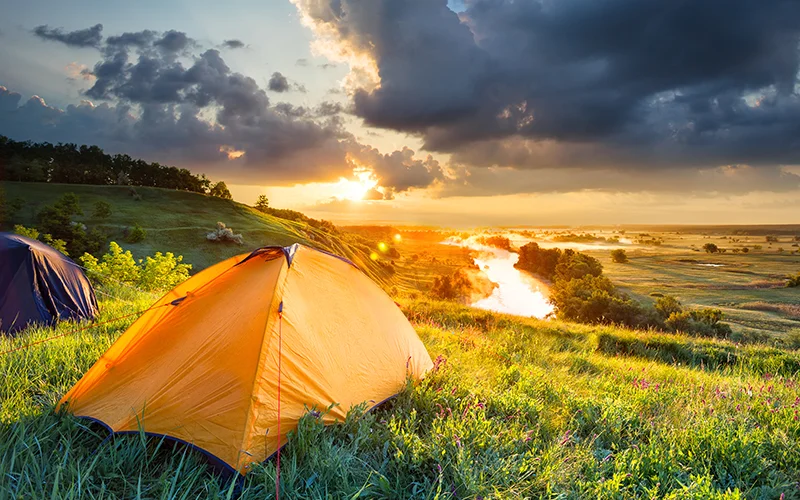
The right gear can make the difference between an exciting adventure and a dreadful experience. See what it takes to find the best hiking tent.
If you’re a fan of hiking, you know there’s nothing better than exploring the great outdoors with a backpack on your back. It’s very liberating to leave everything at home and embark on a thrilling adventure.
To make sure this experience is as enjoyable as possible, you need the right gear. Out of all the equipment, it’s crucial that you get your hands on the best outdoor tent. It will be your home away from home, so it should meet all your hiking needs.
However, this is not an easy thing to do. With so many options out there, it’s easy to get paralysed by choices and not know what the best hiking tent needs to have.
To help you avoid hours of research and get to the fun part as soon as possible, we’ve created this guide for finding the right tent. Find out what to look for in a perfect hiking tent.
1. Size
This is an obvious starting point, but the choice isn’t as simple as it might seem. While there’s a universal measurement of capacity, it doesn’t apply to all the manufacturers the same way.
In general, hiking tents can be for one to four people. However, you shouldn’t choose the best hiking tent based on this measurement alone. This is because there’s no industry standard that defines tent sizes for any number of people. It can vary from one manufacturer to another, meaning that you need to look at the actual dimensions in finding your best outdoor tent.
Figure out your own dimensions and compare them to those of the tent. If you want to make sure that you’re comfortable, always choose one that’s a few centimetres bigger than what you actually need. It’s always better to have some spare room than not have enough of it.
If you’re hiking with friends or family, make sure to account for their size as well and ensure that there’s enough breathing room. Not getting this right can make sleeping under the stars quite uncomfortable.
Also, don’t forget to take the height into account. While you don’t really need a tent that’s taller than you, you should be able to move around it without crouching uncomfortably. As a rule of thumb, everyone should be able to sit upright with room to spare from the top of the tent. If you’re hiking with more people, check and see that the tent doesn’t narrow too much as it reaches the top.
2. Weight
If you’re going camping or planning on being in one place for a longer period of time, the weight of the tent may not matter since you will not be constantly hiking. If you’re serious about hiking, you’ll be moving around a lot so it makes sense to have a tent that won't weigh you down.
This is why you need to find the best lightweight hiking tent available. The tent will likely be your heaviest piece of gear, so it should be as light as possible in addition to being durable and resistant. You might think that there has to be a trade-off somewhere, but the best outdoor tent should offer a good balance.
When it comes to the weight, there are three specs to consider:
Minimum trail weight – Shows only the weight of the tent’s body, poles, and rainfly. You’ll likely need more equipment like stakes or footprint. Still, this is the best spec for comparing tents.
Packaged weight – The retail packaging that the tent comes in includes everything from the tent’s body to details like spare items and instructions. The actual weight that you’ll be carrying with you is somewhere between the minimum trail and packaged weight.
Packed size – Shows how much space your tent will take up when packed. It’s very important to get this right unless you want to over-encumber yourself. The best way to make your tent as compact as possible is to split all the equipment between a number of people. If you’re hiking alone, you should leave everything at home and carry only the essentials.
Remember that the best lightweight tent doesn’t always mean that it will be the best option overall. While weight is important, it shouldn’t be your main concern. You’ll have to take your hiking conditions into account and they can call for some extra load; this brings us to the next important feature.
3. Seasonality
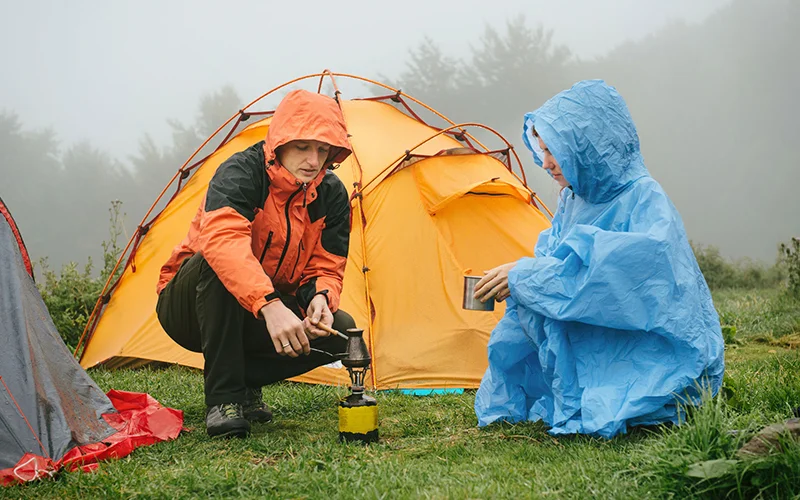
When are you going hiking, as in what season? How often? Keep these answers in mind as you look for the best hiking tents. You wouldn’t want the weather to catch you by surprise and ruin your adventure.
Generally speaking, the safest bet is a 3- or 4-season tent. Most hikers go with one of those as they provide versatility without limiting when you can go hiking. But it doesn’t mean that this is a one-size-fits-all solution for all hikers and conditions.
For example, 3-season tents are perfect for late spring, summer, and early fall. The most important features to look for here are breathability, upright walls, and low weight, which means as few components as possible.
These tents should be able to withstand mild to hot outdoor temperatures, rain, and moderate wind. And if you need more versatility, there’s another category known as the extended-season tent. You can use one of these tents for a variety of harsher conditions except for heavy snows or storms.
If you plan on hiking in such weather, you’ll need a 4-season mountaineering tent. These are the best hiking tents for those who enjoy extreme weather. You should look for strong poles, reinforced or double walls, and rounded dome designs.
Bear in mind though, that a 4-season tent doesn’t perform the same way all year round. The name just means that it’s suitable for winter hiking. On the other hand, they might feel too stuffy when the weather is heats up. They offer less ventilation such that they might not provide a comfortable experience on hot summer days.
It comes down to knowing when you’re going hiking most of the time. If you plan on hiking throughout the year, you may not be able to find the best hiking tent for all seasons. This is why a lot of hikers keep more than one tent on hand to cover all grounds and hiking seasons.
4. Setup
Setting up your best outdoor tent will depend on your conditions or preferences. There’s not a right answer here. It all comes down to whether you prefer durability or ease of use. If you’re a casual hiker who doesn’t plan on going out in extreme weather, you should focus on the latter.
In this case, a freestander is a better choice. You should be able to set it up quickly and without much effort. Without stakes or any additional gear, it’s also the best lightweight tent. But as you can imagine, it doesn’t offer superior protection against the wind and other harsh elements.
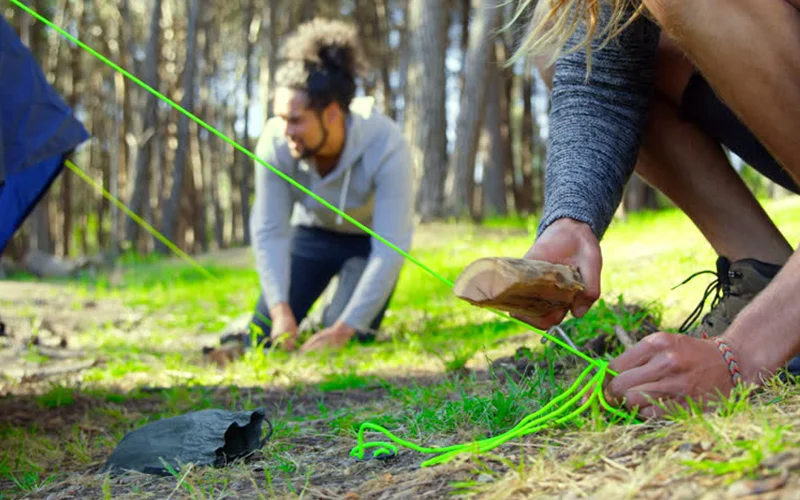
If this matters to you more than convenience, you’ll want to go with a staked tent. It will take more time and effort to set one up, but you can rest assured that it will protect you in rough weather. Of course, this is only true if you choose the right seasonality and features.
If you decide to go with a staked tent, you’ll want to bring spare stakes just in case. These tents will come with just enough stakes for stability and protection. However, if you plan on braving rough weather, it’s better to have a few extra for added reinforcement.
Once again, none of these options is right or wrong. It’s all about what you prefer and your hiking conditions. You should think about this as you choose the best hiking tent for your needs.
5. Materials
Various materials make up the components of a tent. Obviously, the stakes and the tent itself can’t be of the same material. Some will depend on your personal preferences, but there are a few rules regarding the best hiking tent material.
First of all, your tent needs to have great ventilation. This is especially important in cold and dry weather. If your tent isn’t properly ventilated, the water vapor in your breath might condensate and form ice crystals on the inner lining. While they might be very nice to look at, they’ll melt as the temperature rises, which means wet clothes and gear. And because the temperature will drop again, you can expect it to freeze again. Needless to say, this can ruin your hiking trip.
Of course, the best hiking tent should also be water-resistant, and you should aim for high durability and low weight. Your priorities here will depend on your preferred hiking conditions.
As for the poles, stakes, and other equipment, avoid cheap plastic and go for the reinforced varieties. An even better option would be aluminium or carbon-reinforced materials. Both are light yet highly durable.
As far as the overall strength of the tent goes, you don’t have to bother with every printed spec. You can simply look at the tent’s seasonality rating. As the rating takes into account all the materials and build features, it’s enough to show you if you’re going in the right direction.
6. Miscellaneous Features
The above are the most important features that the best hiking tent should sport. Now it’s time to discuss some other features that are nice to have, though you don’t have to have them.
To begin with, many people debate if it’s better to have one or more doors. The answer will depend on your personal needs, but hikers generally prefer to have doors on at least two opposite sides. They make sure that you don’t have to crawl over your hiking partners to get out. In addition, they provide more ventilation option when you have to air out your tent.
Of course, this also means more zippers, which adds to the tent’s overall weight. Although it might seem like a minor detail, it can actually make a big difference in heavy-duty tents.
Another thing that you should consider is the vestibule. It’s the space in front of the tent’s doors. The larger the better with vestibules. This means you’ll have more space for dirty boots and equipment that you don’t want to store inside your tent. However, large vestibules mean more material, which means that large vestibules and the best ultralight tents don’t go hand in hand.
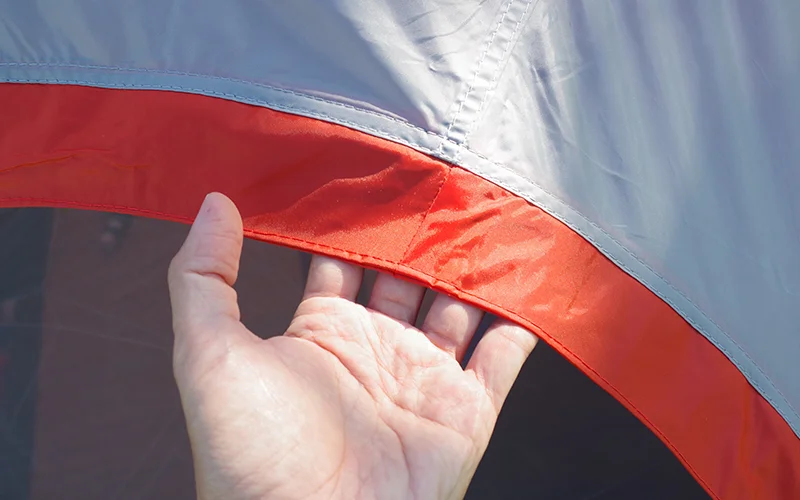
The last detail that you should keep in mind is the colour of the rainfly. This can add a lot to the tent’s liveability. This is because a bright rainfly can let in a lot more light. This will make the tent look and feel more spacious on the inside. This can make a world of difference if you have to spend a lot of time in your tent.
Choose Wisely
Hopefully, you now have a better understanding of what it takes to find the best hiking tent for your adventures. If you check all of the boxes, you shouldn’t have any trouble finding a tent that can serve you for a long time.
Bear in mind that a hiking tent is a long-term investment, especially for true enthusiasts. With that in mind, you shouldn’t go cheap when it comes to the best outdoor tent. It pays to invest more at the beginning and know that your tent will last a long time. Otherwise, you might have to replace it too soon or not get all the features that you need.
This isn’t to say that a good tent needs to be expensive. There are many options out that offer a lot for your money.
Visit our store and take a look at some of the best hiking tents available in Australia.